
ABOUT ME
LAURA LUPARELLI
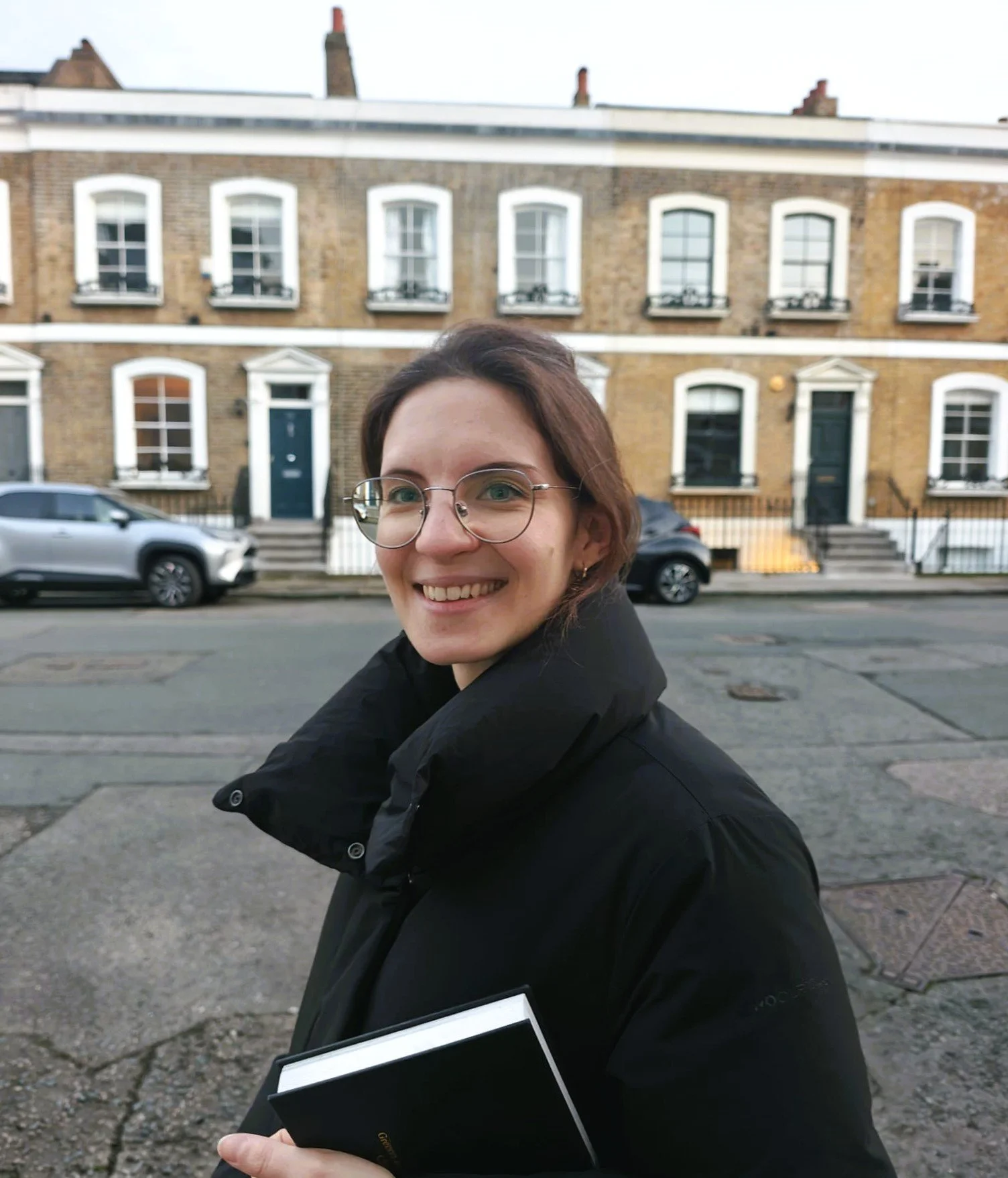
I'm an architect and interior designer whose personal journey has led me to reflect on the different attitudes that buildings can embody towards the people who are meant to inhabit them - and towards their freedom and dignity.
I grew up and studied in the border town of Trieste, a quiet melting pot in the northeast of Italy: a place of suggestive architectural and natural beauty, suspended between the Alps and the Adriatic Sea, which has always stayed with me. In my mid-twenties, I moved to London to begin my professional journey and found myself in a city of striking contrasts: architectural brilliance and luxury alongside spaces that felt neglected or anonymous.
Since then, I have been fortunate to work across very different residential contexts — from newly built high-rise developments, including social housing, to prime private residences within some of Chelsea’s most elegant neighbourhoods.
Moving between these very different environments has given me a particular perspective on how architectural quality is conceived, produced and, ultimately, experienced by the people who live with it.
It has also allowed me to explore the social and behavioural dimensions of design. Since my university years, I have been curious about the ways in which the richness (or poverty) of our surroundings can influence our happiness, relationships, sense of autonomy, and even our aspirations.
Another topic that has long intrigued me is the development of behavioural science and its ever-expanding influence across technology, economics and culture. As these principles increasingly enter the home through smart technologies and the Internet of Things, I find myself questioning what this might mean for the way we inhabit our most intimate spaces, the rhythms of our daily lives, and the degree of agency we retain within them.
Laura’s Tea House was born from these questions. It is a space in which I investigate design beyond aesthetics and functionality, looking at the relationship between our inner lives and the spaces we inhabit through the lenses of psychology, philosophy and something more elusive that I venture to call spirituality. At its core lies a question of agency: